


OTAN: THE EXPLORER FROM THE UPPER BEMBAN RIVER
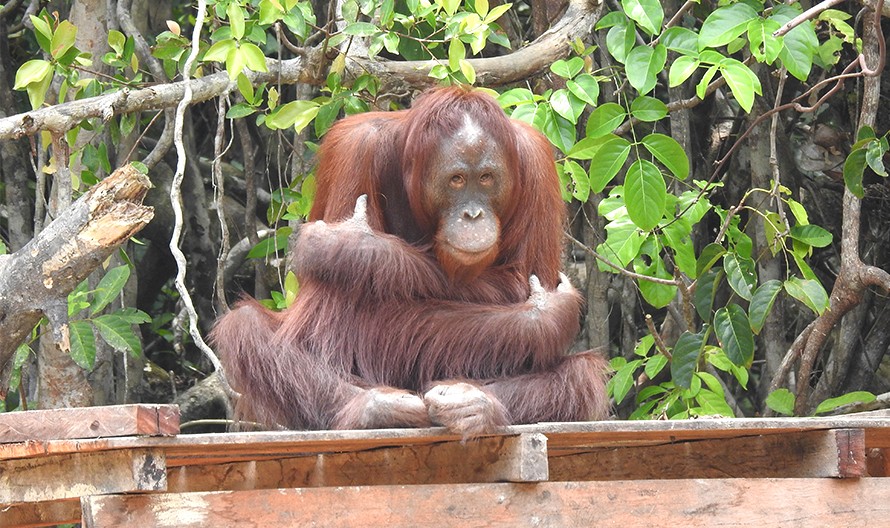
After months without a sighting, Otan reappeared in the upper Bemban River, showing remarkable adaptation and independence in the wild.


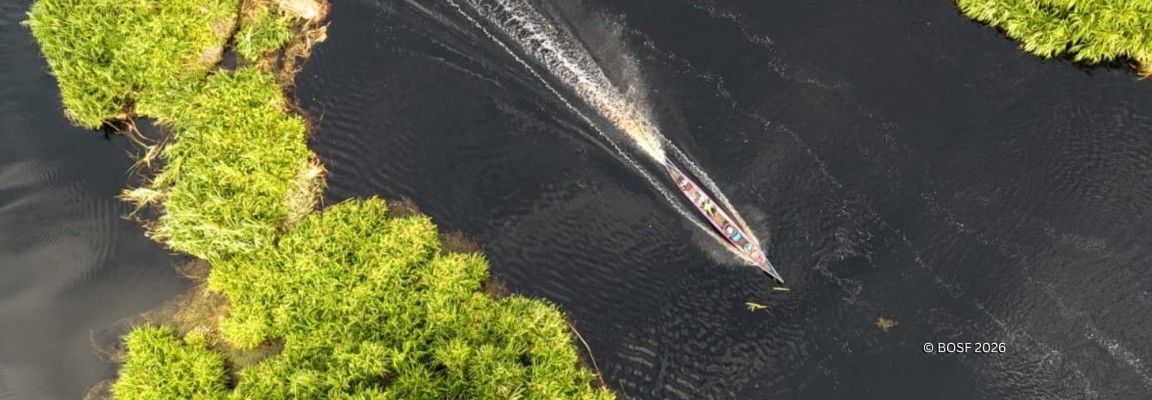
As part of its ongoing conservation commitment, the Borneo Orangutan Survival (BOS) Foundation continues to strengthen its habitat-based approach. In addition to its peat swamp forest conservation program in Mawas, BOS Foundation is implementing a similar initiative in collaboration with Sebangau National Park through its newly introduced initiative, the Sebangau Program.
Peatland ecosystems are known as one of the largest carbon stores in the world. When in a wet condition, peatlands are able to retain water and store vast amounts of carbon. However, when they dry out, especially during El Niño periods, peatlands can become highly vulnerable to fire.
Fires in peatland areas not only destroy surface vegetation but also burn the organic soil layers beneath. The impacts can be long-lasting, ranging from biodiversity loss to the release of massive amounts of carbon emissions into the atmosphere.
In this context, preventive efforts are key to maintaining ecosystem balance while protecting orangutan habitats.
One of the preventive measures carried out by our team in the Sebangau Program is the control of rasau (Pandanus sp.) vegetation, which tends to grow uncontrollably in peatland areas.
Rasau plants have dry, fibrous leaves that are highly flammable during the dry season. If left unmanaged, dense rasau growth can act as a fire corridor, accelerating the spread of forest fires.
Through the clearing and management of rasau vegetation, the team aims to create natural fire breaks and minimize fire sources within the peatland landscape, while also helping maintain microclimate humidity in the surrounding forest areas.
This effort is part of an adaptive landscape management strategy in response to climate change, while also supporting the protection of wildlife habitats, including orangutans.
As part of strengthening its conservation efforts, BOS Foundation is introducing the Sebangau Program as an initiative focused on the protection and restoration of tropical peatland ecosystems.
This program is implemented through strategic collaboration with Sebangau National Park, one of the most important conservation areas in Central Kalimantan, known for its vast peatland landscape and its role as a habitat for wild orangutan populations.
Through this partnership, the Sebangau Program aims to strengthen conservation area functions through ecosystem-based management. It also seeks to develop a model for tropical peatland restoration that can be replicated both nationally and internationally, while enhancing synergy among conservation organizations, government agencies, and other stakeholders.
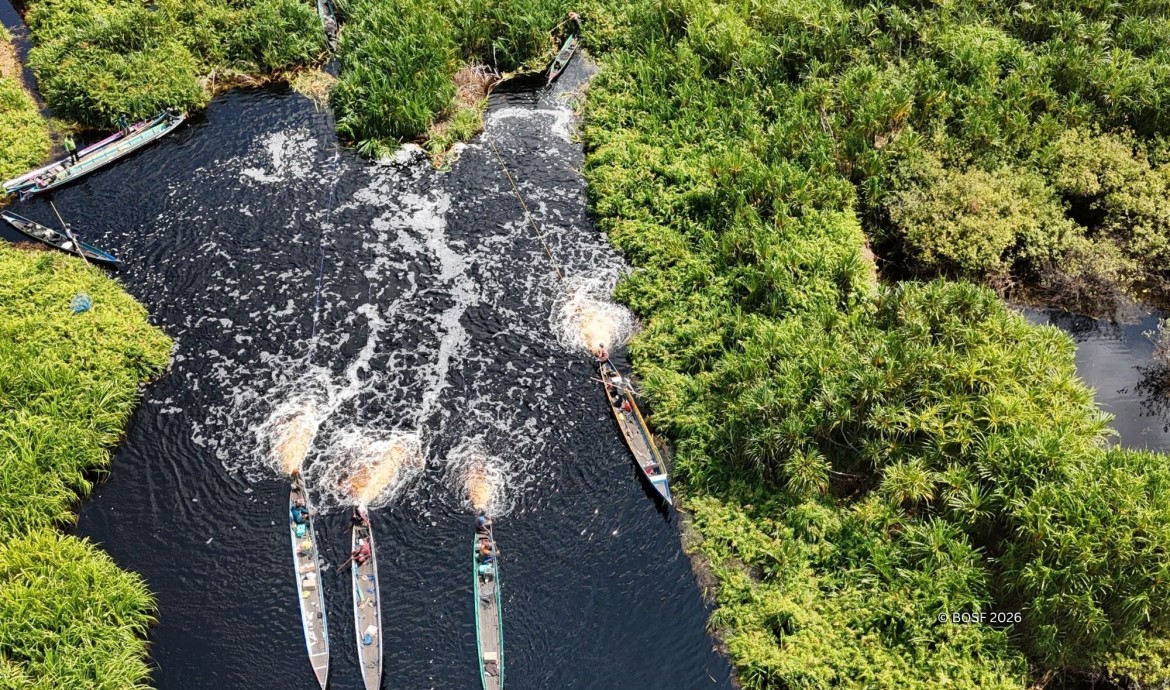
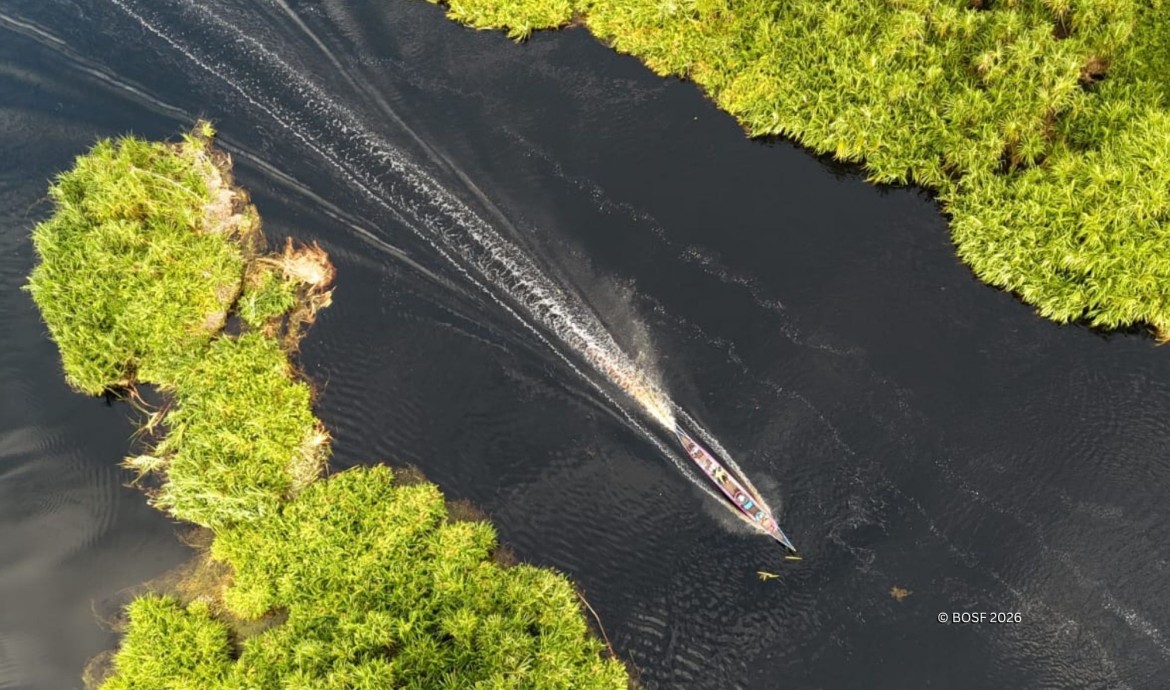
The partnership with Sebangau National Park creates significant opportunities to build a more integrated conservation approach. It goes beyond focusing solely on rescuing individual orangutans, ensuring instead that their habitats remain intact and capable of supporting long-term survival.
Moreover, this program provides tangible benefits to local communities by creating employment opportunities through participatory management schemes. Another initiative includes community empowerment programs that explore the potential of local commodities, such as utilizing rasau fiber as an eco-friendly packaging material.
This program also represents an important step in supporting national agendas related to peatland restoration and climate change mitigation. At the same time, it strengthens Indonesia’s role in global tropical peatland conservation by promoting science-based and multi-stakeholder collaboration.
Simple efforts like managing rasau vegetation may seem small, but they have a significant impact in preventing forest fires. Combined with the collaborative approach of the Sebangau Program, these actions form part of a long-term strategy to maintain the sustainability of peatland ecosystems.
Ultimately, protecting peatlands means protecting the home of orangutans and thousands of other species. More than that, it is a collective effort to safeguard climate balance and the future of our planet.


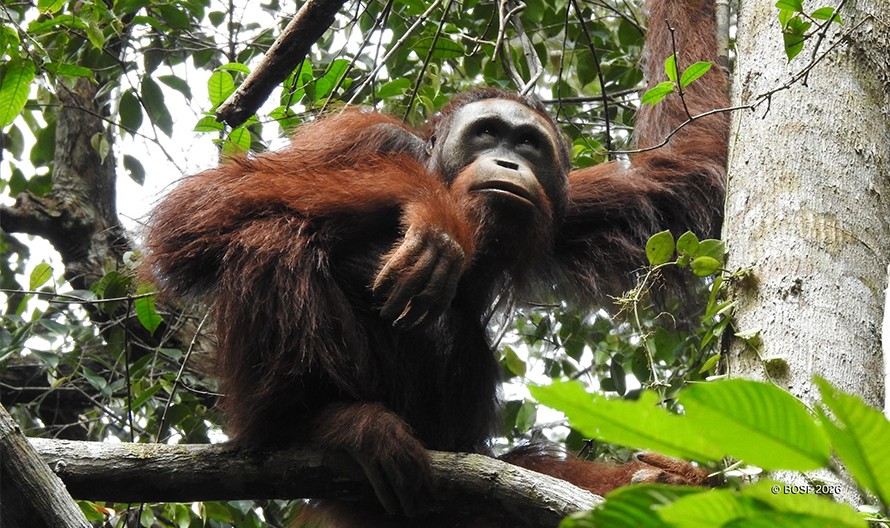
After months without a sighting, Otan reappeared in the upper Bemban River, showing remarkable adaptation and independence in the wild.
When we talk about mental health, we usually think about humans – trauma, grief, depression, and healing
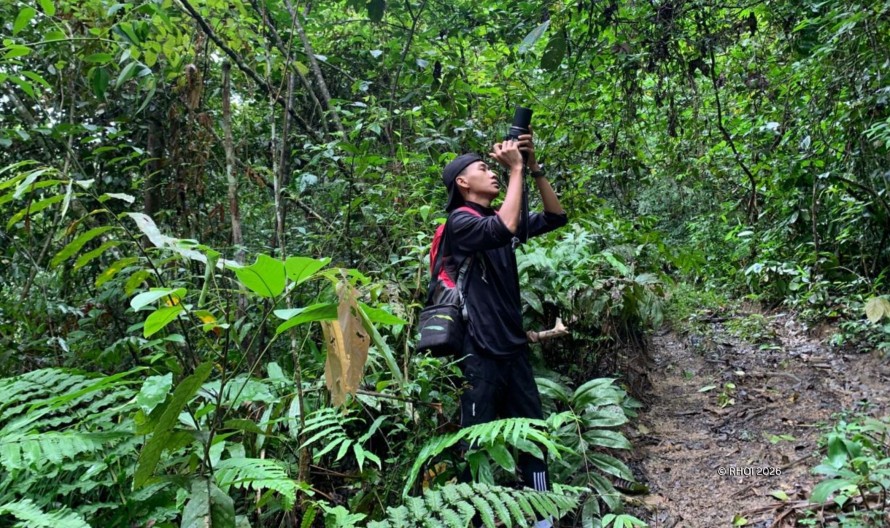
Behind the dense canopy of Kehje Sewen Forest, there is a group of people who walk not for adventure, nor for recognition.
