


MOZA’S JOURNEY FROM KUWAIT TO MOTHERHOOD ON KAJA ISLAND
On September 13, 2015, a two-year-old female orangutan began a long journey back to Indonesia. The young orangutan was later named Moza.



Today, Tuesday the 1st of September, is World Primate Day. This special day has been commemorated since 2005, after it was initiated by Animal Defenders International and received support from countless primate conservation and welfare organisations. The purpose of the day is to raise awareness about the many primate species which are declining due to the actions of man.
Of the over 500 primate species in the world, it is estimated that over 60% are threatened with extinction. This data comes from the International Union for Conservation of Nature (IUCN), an international agency responsible for collecting, managing, and publishing data on species of fauna and flora around the world. These threatened primate species all play unique roles in their respective ecosystems, and their diminishing numbers have detrimental impacts on the environment. We must work fast to save these primate populations, to help preserve ecosystem integrity.
Read also: ‘Unreleasable’ Orangutans
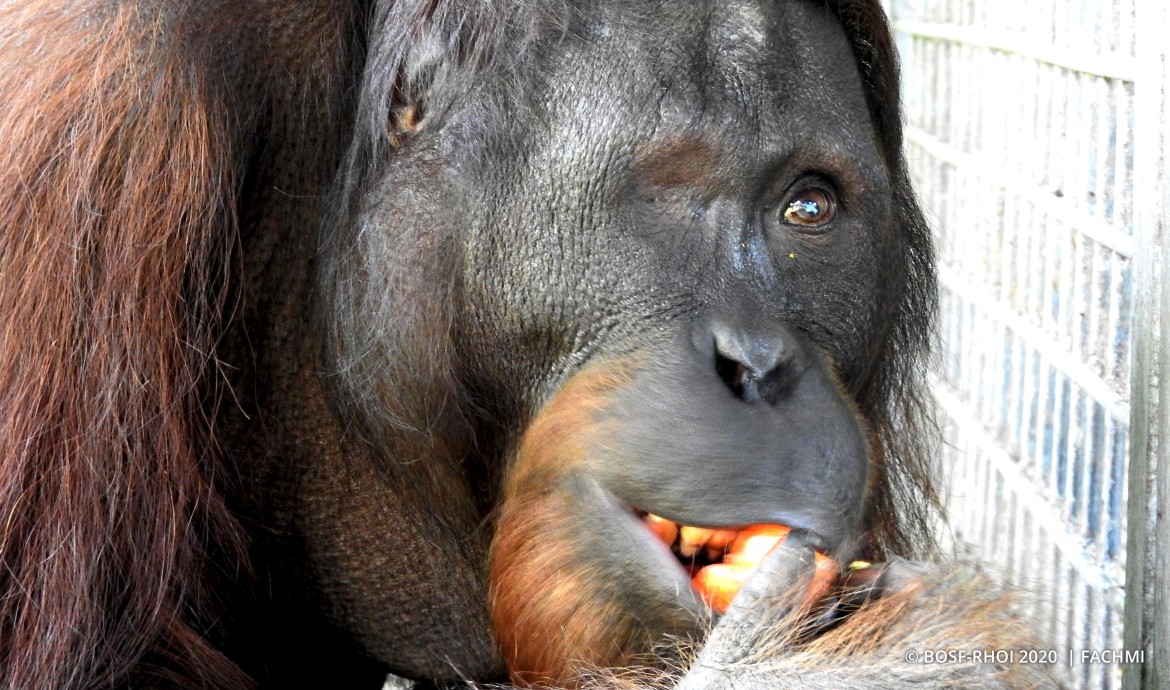
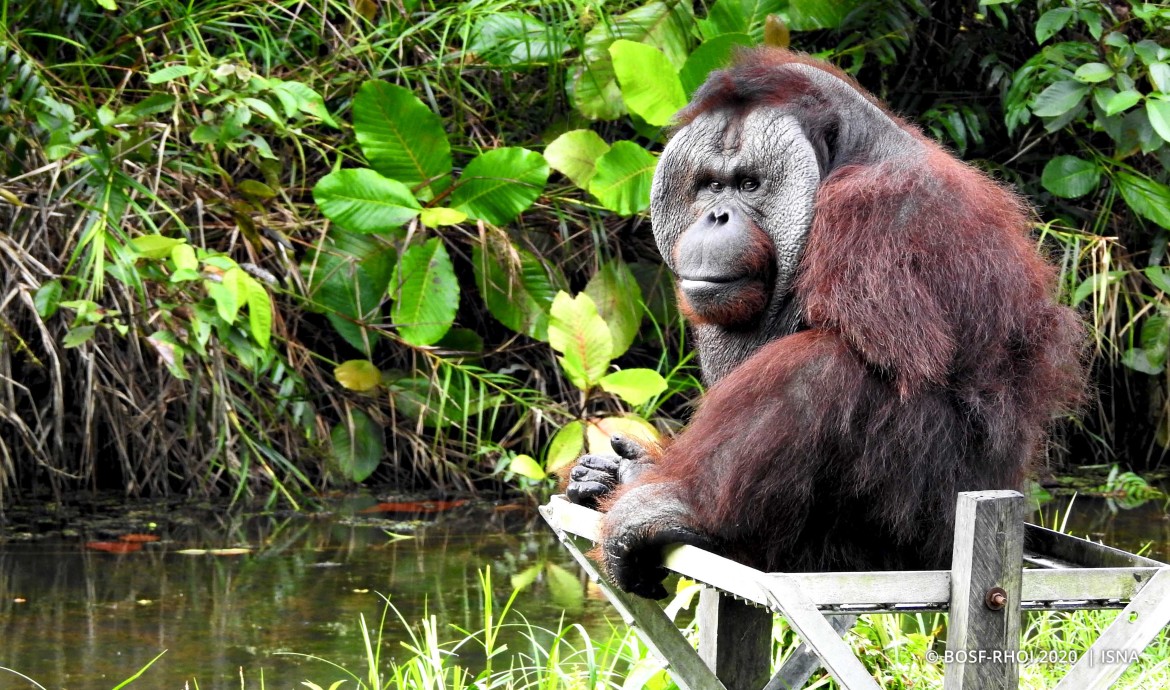
All species of great apes, including the three orangutan species, are listed as Endangered or Critically Endangered. The BOS Foundation team works tirelessly to rescue orangutans that are oftentimes found in dire condition after being displaced from their forest homes, held captive as pets, or exploited for entertainment. At our two rehabilitation centres - Nyaru Menteng in Central Kalimantan and Samboja Lestari in East Kalimantan - these rescued orangutans are supported and guided through a comprehensive rehabilitation process, so that they can one day be returned to the forest to live wild and free.
Read also: Kopral is Now Living on an Island!
Sadly, a number of these orangutans are unable to be released back to the forest due to the trauma caused by their prolonged period of captivity, which can affect their ability to learn and develop basic survival skills. Physical disability and incurable disease are two other contributing factors preventing some orangutans from being released to the wild. These individuals are known as the ‘unreleasables’. Kopral and Shelton, who are located at the Samboja Lestari Orangutan Rehabilitation Centre, in East Kalimantan, are two such ‘unreleasable’ orangutans in our care.
Read also: Kopral & Shelton, Two Special Friends Helping Each Other
Despite the challenges these particular ‘unreleaseable’ orangutans face, we remain optimistic for their future. Our experiences have taught us that there is always hope, however faint, that some of these ‘unreleasable’ orangutans might make enough progress to warrant their release to the wild. We will keep working to fight for these special orangutans, and pray they will someday get the chance to live wild and free in their true home, the forest.
Happy World Primate Day!


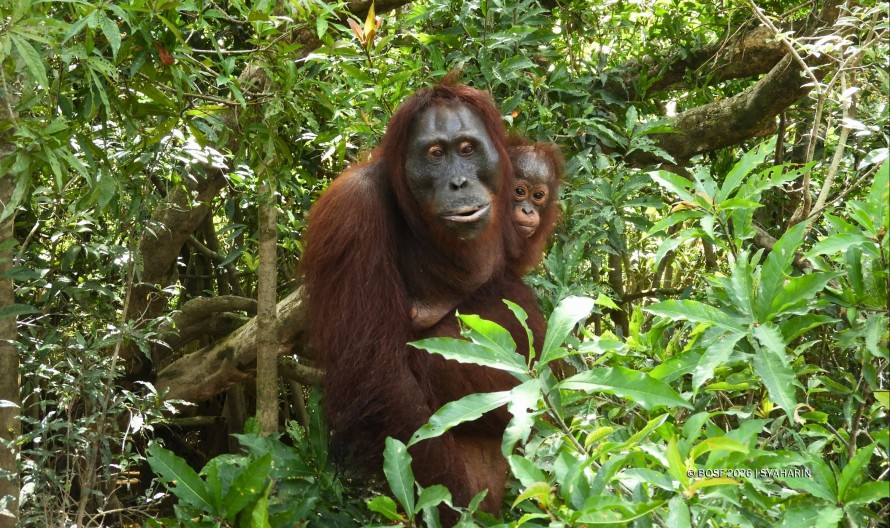
On September 13, 2015, a two-year-old female orangutan began a long journey back to Indonesia. The young orangutan was later named Moza.
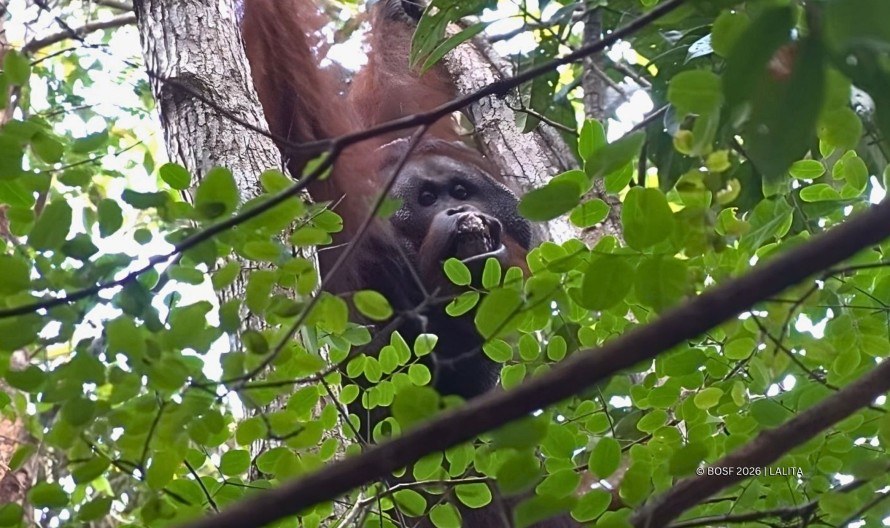
In the Tuanan Research Station, wild male orangutans move through the canopy with remarkable strength and grace. Among them is Dayak: a majestic flanged male whose broad cheek pads signal maturity, dominance, and excellent health.
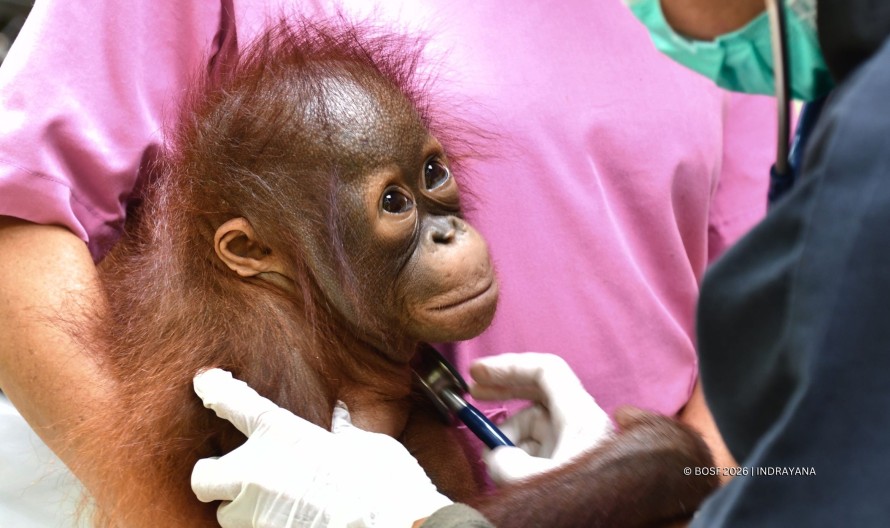
Roy, a young male orangutan estimated to be around two years old, is now undergoing rehabilitation at the Nyaru Menteng Orangutan Rehabilitation Centre in Central Kalimantan.
